Beyond the Panels: Why Manga Is More Than Just Comics
If you have ever felt overwhelmed standing in front of a bookstore shelf packed with hundreds of black-and-white volumes, you are not alone. For newcomers, the world of manga can seem impenetrable, with its unique right-to-left reading format, diverse genres, and deep connection to Japanese culture. Yet, this is precisely what makes manga one of the most exciting and rewarding forms of storytelling in the world today. Far more than just Japanese comics, manga is a cultural phenomenon that has shaped global entertainment, from blockbuster anime adaptations to award-winning films and fashion trends. Whether you are a complete beginner looking for your first series or a casual reader wanting to understand the cultural context behind your favorite stories, diving into manga offers a window into Japan’s history, values, and creative spirit.
Understanding Manga: A Cultural Cornerstone in Japan
To truly appreciate manga, you need to understand its place within Japanese daily life. Unlike in many Western countries where comics are often seen as niche entertainment for a specific audience, manga in Japan is ubiquitous and for everyone. It is read by children, teenagers, adults, and the elderly on trains, in cafes, and at home. With estimated annual sales in the billions of dollars, the manga industry is a pillar of Japanese publishing. This widespread acceptance comes from the sheer breadth of genres available. There is manga for every age and interest, categorized by demographic: Kodomo for young children, Shonen for young boys, Shojo for young girls, Seinen for adult men, and Josei for adult women. Beyond these demographics, countless thematic genres exist, from slice-of-life and romance to horror, science fiction, sports, and historical drama. This diversity ensures that anyone can find a story that resonates with them.
The artistic and narrative roots of modern manga are often traced to the post-war era and the legendary influence of Osamu Tezuka, often called the God of Manga. Tezuka’s cinematic paneling, expressive character designs, and complex storytelling in works like Astro Boy and Princess Knight laid the foundation for everything that followed. His approach elevated manga from simple strips to long-form, emotionally powerful narratives capable of tackling serious themes. Today, reading manga also means engaging with distinct Japanese cultural concepts and aesthetics. Ideas like wabi-sabi, the appreciation of imperfection, mono no aware, the pathos of transient things, and strong themes of community, perseverance (ganbaru), and respect often weave through storylines. Understanding these subtle cultural undercurrents enriches the reading experience and helps explain why characters act and react the way they do, offering a fascinating cultural lesson with every volume.
From Classics to Modern Masterpieces: Essential Manga Recommendations
For those wondering where to start, the sheer number of choices can be daunting. A great entry point depends on your taste in other media. If you love epic adventure and world-building, you cannot go wrong with Eiichiro Oda’s One Piece. Following Monkey D. Luffy and his pirate crew on their quest for the ultimate treasure, it is a masterclass in long-term storytelling, friendship, and boundless imagination, and it remains the best-selling manga of all time for a reason. For a darker, more mature and philosophical experience, Berserk by Kentaro Miura offers breathtakingly detailed art and a brutal medieval fantasy story that explores fate, ambition, and trauma. On the other end of the spectrum, if you prefer heartfelt, relatable stories, slice-of-life gems like Yotsuba&! provide a charming and humorous look at everyday life through the eyes of an energetic young girl, perfectly capturing the small joys of childhood and family.
Recent years have produced a new golden age of manga that has captivated global audiences. Demon Slayer: Kimetsu no Yaiba by Koyoharu Gotouge became a worldwide sensation with its beautiful blend of historical Japan, demon folklore, and stunning action centered on family love. Similarly, Chainsaw Man by Tatsuki Fujimoto has redefined the modern shonen genre with its chaotic, unpredictable, and emotionally raw story. For readers who enjoy psychological depth and suspense, Death Note remains an essential, tense cat-and-mouse thriller that questions justice and morality. And for fans of romance and character-driven drama, Fruits Basket by Natsuki Takaya is a beloved shojo classic that delicately handles themes of trauma, acceptance, and healing through its supernatural premise. To explore more curated lists and in-depth reviews of both classic and trending series, you can also check out resources like JOJOBET GİRİS where entertainment and pop culture enthusiasts share their latest discoveries and recommendations.
How to Read and Collect Manga Like a Pro
One of the first hurdles for new readers is the reading direction. Traditional Japanese manga is read from right to left, top to bottom, which is the reverse of American comics. This preserves the artist’s original layout and flow. It may feel strange for the first few pages, but most readers adapt surprisingly quickly. Start at what looks like the back cover and follow the panels from the upper right corner to the lower left. Sound effects are often left untranslated as part of the artwork, with small translations added nearby. Embracing this format is part of the authentic experience and soon becomes second nature. You will also notice the incredible importance of visual pacing; artists use silent panels, detailed backgrounds, and expressive close-ups to control emotion and tension in a way that is unique to the medium.
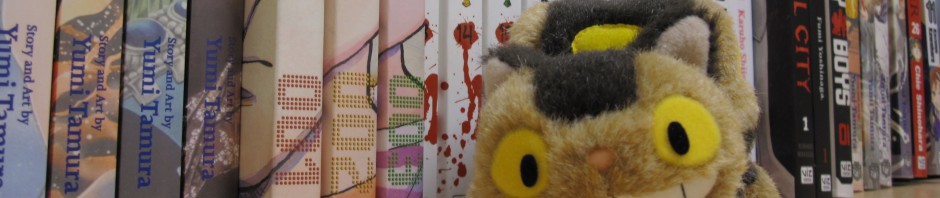
When it comes to collecting, you have more options than ever before. Physical volumes, known as tankobon, are affordable, beautifully designed, and wonderful to display, with many series featuring stunning cover art and bonus content. Major publishers like VIZ Media, Kodansha, and Yen Press provide excellent official English translations. However, digital platforms have made manga more accessible than ever. Subscription services like Shonen Jump, Crunchyroll Manga, and ComiXology offer vast libraries for a low monthly fee, perfect for sampling new series before committing to physical copies. For collectors, keep an eye out for special editions, box sets, and omnibus volumes that collect multiple chapters in a larger format. Visiting local comic shops, libraries, and second-hand bookstores is also a fantastic way to discover hidden gems and support your community while building your collection at a reasonable price.
The Bridge Between Manga, Anime, and Japanese Culture
One of the most fascinating aspects of manga is its symbiotic relationship with anime. Almost every major anime series began as a manga. The manga is typically the source material, the original vision of the creator. The anime adaptation then brings that world to life with color, motion, voice acting, and music. Comparing the two can be incredibly rewarding. Sometimes the anime expands on fight scenes or adds original filler arcs, while the manga often contains more detailed inner monologues, side stories, and an ending that may differ if the manga is still ongoing. Popular series like Attack on Titan, Jujutsu Kaisen, and My Hero Academia have seen their global popularity explode thanks to high-quality anime adaptations that introduced millions of new fans to the source manga.
Ultimately, falling in love with manga often leads to a deeper appreciation for Japanese culture as a whole. You will start to recognize real-life locations that inspired fictional settings, understand the significance of school festivals, summer fireworks, and New Year’s traditions, and develop a curiosity for the language, food, and history behind the stories. Many fans find themselves learning basic Japanese phrases, trying to cook dishes seen in Food Wars! or studying the folklore behind series like Natsume’s Book of Friends. Manga is not just entertainment; it is a cultural bridge that connects readers across the world through universal themes of love, loss, courage, and friendship, all told with a distinctly Japanese artistic sensibility. So pick up a volume, embrace the right-to-left journey, and discover your next favorite story waiting just beyond the panels.
